

Delving into the realm where technology meets healthcare, The Connection Between Computer Information Systems and Health IT sheds light on the crucial link between digital systems and the medical field. Prepare to uncover how these two domains intertwine to revolutionize the way we approach healthcare.
As we navigate through the intricate web of computer information systems and health IT, a world of possibilities and advancements awaits exploration.
The Role of Computer Information Systems in Health IT
Computer information systems play a crucial role in the field of health IT by facilitating the management, processing, and analysis of health-related data. These systems help healthcare organizations streamline their operations, improve patient care, and enhance overall efficiency.
Electronic Health Records (EHR)
Electronic Health Records (EHR) are a prime example of computer information systems used in health IT. EHRs store patient medical history, diagnoses, medications, treatment plans, immunization dates, allergies, radiology images, and laboratory test results in a digital format. This allows healthcare providers to access and share patient information securely, leading to better-coordinated care and improved patient outcomes.
Health Information Exchange (HIE)
Health Information Exchange (HIE) systems enable the electronic sharing of patient health information between different healthcare organizations. This interoperability enhances care coordination, reduces duplicative tests, and improves patient safety. HIE systems also play a vital role in public health reporting and surveillance during emergencies or disease outbreaks.
Telemedicine Platforms
Telemedicine platforms leverage computer information systems to deliver remote clinical services to patients. These platforms enable virtual consultations, remote monitoring, and telehealth interventions, expanding access to healthcare services and improving patient convenience. Telemedicine has become increasingly important, especially during the COVID-19 pandemic, to ensure continuity of care while minimizing exposure risks.
Benefits of Integration
Integrating computer information systems with health IT offers numerous benefits, such as enhanced data accuracy, improved decision-making, increased operational efficiency, better patient outcomes, and reduced healthcare costs. By leveraging technology to manage health information effectively, healthcare organizations can deliver more personalized and coordinated care to patients while optimizing their workflows.
Electronic Health Records (EHR) Systems
Electronic Health Records (EHR) systems play a crucial role in modern healthcare by digitizing patient information to improve the quality of care, enhance communication among healthcare providers, and streamline administrative processes.
Functions and Features of EHR Systems
- EHR systems allow healthcare providers to store, manage, and access patient information electronically, including medical history, diagnoses, medications, treatment plans, and test results.
- They enable real-time sharing of patient data among different healthcare settings, ensuring continuity of care and reducing the risk of errors.
- EHR systems support clinical decision-making by providing alerts for drug interactions, reminders for preventive care, and evidence-based guidelines.
- They facilitate patient engagement through online portals where individuals can access their health information, schedule appointments, and communicate with their providers.
Types of EHR Systems
- Cloud-based EHR systems: These are hosted on remote servers and accessed through the internet, offering flexibility, scalability, and cost-effectiveness.
- On-premise EHR systems: These are installed locally on healthcare organization’s servers, providing complete control over data security and customization but requiring higher initial investments.
- Hybrid EHR systems: Combining elements of both cloud-based and on-premise solutions, hybrid systems offer a balance between accessibility and security.
Importance of Data Security and Privacy in EHR Systems
Ensuring data security and privacy in EHR systems is paramount to protect patients’ sensitive information from unauthorized access, breaches, and misuse. Robust security measures, such as encryption, authentication protocols, regular audits, and staff training, are essential to safeguard patient data and maintain trust in healthcare organizations.
Telemedicine and Telehealth Technologies
Telemedicine and telehealth technologies have revolutionized the way healthcare is delivered and accessed, thanks to the support of computer information systems. These systems play a crucial role in enabling remote consultations, monitoring, and treatment, bridging the gap between patients and healthcare providers regardless of geographical barriers.
Telemedicine Technologies Supported by Computer Information Systems:
- Video Conferencing Platforms: Systems that allow real-time video and audio communication between patients and healthcare professionals, facilitating virtual consultations and diagnoses.
- Remote Patient Monitoring Devices: IoT devices that collect and transmit patient data to healthcare providers in real-time, enabling continuous monitoring of vital signs and health parameters.
- Mobile Health Applications: Apps that allow patients to schedule appointments, access medical records, and communicate with healthcare providers securely from their smartphones or tablets.
Impact of Telemedicine on Healthcare Accessibility and Delivery:
Telemedicine has significantly improved healthcare accessibility by breaking down barriers such as distance, transportation issues, and limited healthcare facilities. Patients in remote or underserved areas can now receive timely medical attention and specialist care without the need to travel long distances.
This has also led to more efficient healthcare delivery, reducing wait times, increasing patient satisfaction, and ultimately improving health outcomes.
Telemedicine has the potential to transform the healthcare landscape, making quality healthcare more accessible and convenient for patients worldwide.
Health Information Exchange (HIE)
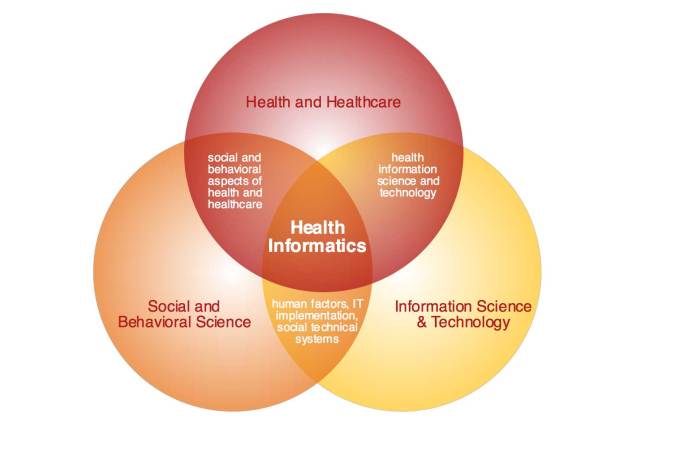
The concept of Health Information Exchange (HIE) refers to the electronic sharing of patient medical information between different healthcare providers and organizations. This exchange allows for seamless communication and access to crucial data, enhancing patient care and outcomes.
Challenges and Benefits of Implementing HIE using Computer Information Systems
- Challenges:
- Ensuring data security and privacy to protect patient information from breaches and unauthorized access.
- Interoperability issues between various systems and platforms, hindering smooth data exchange.
- Cost of implementation and maintenance of HIE systems, which can be a barrier for smaller healthcare facilities.
- Benefits:
- Improved coordination of care among different providers, leading to better treatment outcomes and reduced medical errors.
- Efficient sharing of patient information, reducing redundant tests and procedures, ultimately saving time and costs.
- Enhanced patient engagement and empowerment through access to their own health records, promoting proactive healthcare management.
Real-World Examples of Successful Health Information Exchange Systems
One notable example of successful HIE implementation is the Carequality framework, which enables different healthcare systems to exchange data seamlessly, improving care coordination and patient outcomes.
Another successful HIE system is the CommonWell Health Alliance, which connects various healthcare providers and organizations to share patient information securely, enhancing overall care delivery.
End of Discussion
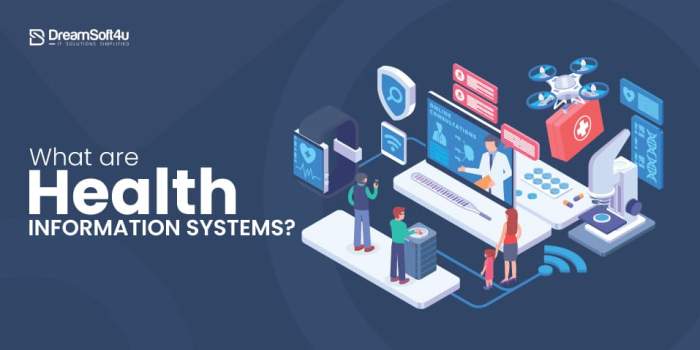
In conclusion, The Connection Between Computer Information Systems and Health IT showcases the transformative power of technology in shaping the future of healthcare. From electronic health records to telemedicine technologies, the synergy between these fields offers endless opportunities for innovation and efficiency in delivering quality patient care.
Essential Questionnaire
How are computer information systems utilized in health IT?
Computer information systems in health IT play a crucial role in managing and organizing vast amounts of medical data efficiently, ensuring seamless operations and improved patient care.
What are some examples of specific computer information systems used in health IT?
Examples include Electronic Health Records (EHR) systems, telemedicine platforms, and Health Information Exchange (HIE) systems, all of which contribute to enhancing healthcare delivery.
How does telemedicine impact healthcare accessibility and delivery?
Telemedicine, supported by computer information systems, enables remote consultations, monitoring, and diagnosis, thereby expanding access to healthcare services and improving delivery efficiency.

