

Starting with a focus on how Health Information Technology aids in preventing medical errors and how Computer Information Systems enhance decision-making processes, this exploration promises to shed light on crucial aspects of healthcare technology.
The following paragraphs will delve into specific examples and insights to provide a comprehensive understanding of these important topics.
How Health Information Technology Helps Prevent Medical Errors
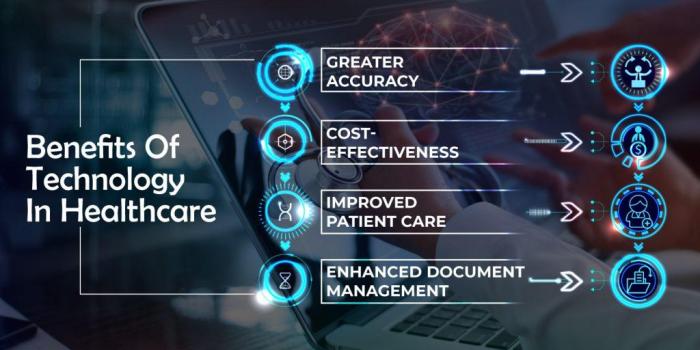
Health Information Technology (HIT) plays a crucial role in reducing medical errors and improving patient safety in healthcare settings. By leveraging advanced technological tools and systems, healthcare providers can enhance the quality of care and minimize the risk of potential mistakes.
Role of Health Information Technology in Reducing Medication Errors
- Electronic medication administration records (eMARs) help ensure accurate medication administration by providing real-time information on prescribed drugs, dosages, and schedules.
- Barcode medication administration (BCMA) systems verify the right patient receives the right medication at the right time, reducing errors related to medication administration.
Examples of How Electronic Health Records Enhance Patient Safety
- Centralized electronic health records (EHRs) consolidate patient information, enabling healthcare providers to access comprehensive medical histories and make informed decisions.
- Alert systems in EHRs notify healthcare professionals of potential drug interactions, allergies, or dosage errors, preventing adverse events.
Impact of Computerized Physician Order Entry Systems on Error Prevention
- Computerized physician order entry (CPOE) systems streamline the ordering process, reducing errors associated with illegible handwriting and miscommunication.
- CPOE systems can flag duplicate orders, incorrect dosages, or contraindications, prompting providers to review and correct potential errors before implementation.
Detailing How Decision Support Systems Alert Healthcare Providers to Potential Mistakes
- Decision support systems analyze patient data and clinical guidelines to provide evidence-based recommendations, guiding healthcare professionals in making informed decisions.
- Alerts from decision support systems can warn providers about missed screenings, overdue vaccinations, or potential diagnostic errors, improving patient outcomes and safety.
How Computer Information Systems Improve Decision Making
In the healthcare industry, Computer Information Systems play a crucial role in improving decision-making processes by providing valuable insights and analysis. These systems utilize various tools and techniques to enhance the quality of care and optimize resource allocation.Business Intelligence (BI) tools are instrumental in analyzing vast amounts of healthcare data to extract meaningful information for informed decision-making.
These tools help healthcare providers and administrators to identify trends, patterns, and opportunities for improvement within the organization.
Benefits of Data Mining Techniques
Data mining techniques enable healthcare professionals to sift through large datasets to identify hidden patterns and correlations. By utilizing advanced algorithms, data mining helps in predicting outcomes, optimizing treatments, and reducing medical errors. This aids in making better decisions based on evidence and insights derived from the data.
Role of Electronic Medical Records (EMRs)
Electronic Medical Records (EMRs) store patient information electronically, allowing for easy access and sharing among healthcare providers. EMRs play a crucial role in facilitating data-driven decisions by providing real-time patient data, medical histories, and treatment plans. This accessibility to accurate and up-to-date information enhances decision-making processes and improves patient care outcomes.
Predictive Analytics in Healthcare
Predictive analytics leverages historical data and statistical algorithms to forecast future trends and outcomes in healthcare. By analyzing patterns and trends, predictive analytics can help healthcare organizations in predicting patient outcomes, identifying high-risk individuals, and optimizing resource allocation. This proactive approach enables healthcare providers to deliver personalized care and interventions, ultimately leading to improved clinical outcomes.
Closure
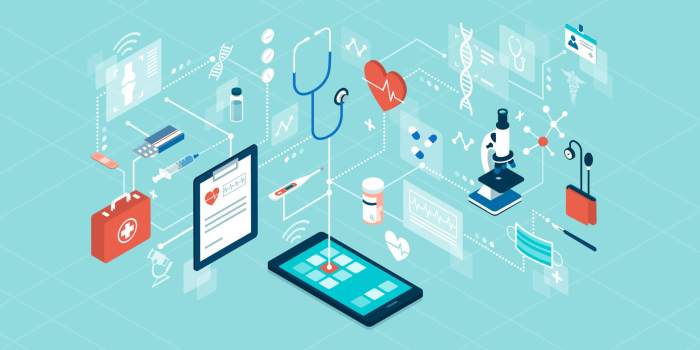
In conclusion, the combined impact of Health Information Technology in error prevention and Computer Information Systems in decision making is pivotal for advancing healthcare practices and improving patient outcomes. This discussion has highlighted key strategies and technologies that hold the potential to revolutionize the healthcare industry.
Questions and Answers
How can Health Information Technology reduce medication errors?
Health Information Technology reduces medication errors by implementing systems that streamline prescription processes and provide alerts for potential errors.
What are the benefits of using Electronic Health Records for patient safety?
Electronic Health Records enhance patient safety by ensuring accurate and accessible medical information, reducing the risk of errors due to missing or incomplete data.
How do Decision Support Systems help healthcare providers in avoiding mistakes?
Decision Support Systems alert healthcare providers to potential mistakes by analyzing data and providing real-time guidance on best practices and treatment options.
What role does Business Intelligence play in analyzing healthcare data for informed decisions?
Business Intelligence tools aid in analyzing healthcare data by providing insights and trends that support data-driven decision-making processes.
How can Predictive Analytics improve clinical outcomes and resource allocation?
Predictive Analytics can enhance clinical outcomes and resource allocation by forecasting trends, identifying risks, and optimizing resource utilization based on data analysis.

