


Exploring the choice between Building a Career in Computer Information Systems or Health IT: Which Is Better? sets the stage for a deep dive into the nuances of these fields, offering valuable insights and perspectives to guide your career decisions.
Detailing the differences and similarities between Computer Information Systems and Health IT, this discussion aims to provide clarity on the optimal path for your professional growth.
Computer Information Systems (CIS) vs. Health IT
In today’s digital age, the fields of Computer Information Systems (CIS) and Health IT offer promising career opportunities for individuals interested in technology and healthcare. Let’s compare the job prospects and key differences in required skills between these two fields.
Job Prospects in Computer Information Systems vs. Health IT
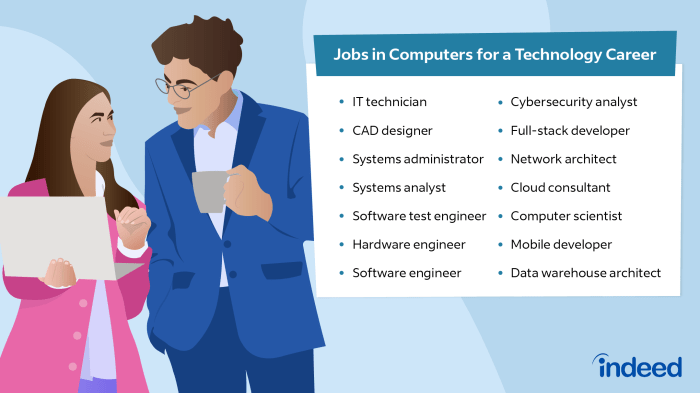
When it comes to job prospects, Computer Information Systems professionals have a wide range of opportunities in various industries such as finance, retail, manufacturing, and more. They can work as systems analysts, database administrators, IT consultants, and network administrators, among other roles.
On the other hand, Health IT professionals typically work in hospitals, healthcare organizations, and government agencies to manage electronic health records, ensure data security, and optimize healthcare technology systems.
Key Differences in Required Skills
Computer Information Systems professionals need strong technical skills in programming languages, database management, system analysis, and cybersecurity. They must also have problem-solving abilities and a deep understanding of business processes to develop efficient IT solutions. In contrast, Health IT professionals require a combination of IT skills and knowledge of healthcare regulations, medical terminology, and patient care processes.
They need to ensure that healthcare technology systems meet industry standards and compliance requirements.
Specific Roles in Computer Information Systems and Health IT
In Computer Information Systems, specific roles include:
- Systems Analyst: Analyzing business requirements and designing IT solutions.
- Database Administrator: Managing databases to ensure data reliability and security.
- Network Administrator: Maintaining network infrastructure and resolving connectivity issues.
In Health IT, specific roles include:
- Clinical Informatics Specialist: Implementing and managing electronic health records systems.
- Health Data Analyst: Analyzing healthcare data to improve patient outcomes and organizational efficiency.
- Health IT Project Manager: Overseeing the implementation of technology projects in healthcare settings.
Education and Training

When it comes to pursuing a career in Computer Information Systems (CIS) or Health IT, the academic path and ongoing training requirements play a crucial role in shaping your success in these fields. Let’s delve into the educational and training aspects of both CIS and Health IT to understand what it takes to excel in these professions.
Academic Path for Computer Information Systems
- To start a career in Computer Information Systems, a bachelor’s degree in computer science, information technology, or a related field is typically required.
- Some positions may require a master’s degree for advancement or specialized roles.
- It is essential to stay updated with the latest technologies and trends in the field through continuous learning and professional development.
Certifications for Health IT Professionals
- Professionals in Health IT can benefit from certifications such as Certified Professional in Healthcare Information and Management Systems (CPHIMS) or Certified Associate in Healthcare Information and Management Systems (CAHIMS).
- Having certifications in Health IT not only validates your skills and knowledge but also demonstrates your commitment to the field.
- These certifications can open up new opportunities for career advancement and specialization within the healthcare industry.
Ongoing Education and Training Needs
- In both Computer Information Systems and Health IT, staying current with technology advancements is crucial for career growth.
- Professionals in CIS may need to pursue additional certifications or attend workshops and seminars to enhance their skills in areas such as cybersecurity, data analytics, or cloud computing.
- Health IT professionals should engage in continuous learning to keep up with regulatory changes, security protocols, and advancements in electronic health records systems.
Work Environment and Industry Demand
When it comes to choosing a career path in Computer Information Systems (CIS) or Health IT, understanding the work environments and industry demand is crucial. Let’s explore the typical work settings for professionals in these fields, analyze the current demand, and discuss how technological advancements are shaping the job market.
Work Environments
- Computer Information Systems: CIS professionals typically work in office settings, either in corporate IT departments, government agencies, or tech companies. They may also work remotely, providing IT support, developing software, managing databases, and ensuring cybersecurity measures are in place.
- Health IT: Health IT professionals work in healthcare settings such as hospitals, clinics, and healthcare IT companies. They are responsible for implementing and maintaining electronic health records systems, ensuring data security and privacy compliance, and optimizing technology to improve patient care.
Industry Demand
- Computer Information Systems: The demand for CIS specialists is on the rise, with businesses and organizations increasingly relying on technology for their operations. From cybersecurity experts to software developers, there is a growing need for skilled professionals who can keep up with the evolving tech landscape.
- Health IT: As the healthcare industry continues to digitize its operations, the demand for Health IT professionals is also increasing. With a focus on interoperability, data analytics, and telemedicine, professionals in this field play a critical role in improving patient outcomes and streamlining healthcare processes.
Impact of Technological Advancements
- Both CIS and Health IT fields are heavily influenced by technological advancements. The rapid pace of innovation means that professionals need to continuously update their skills to stay relevant in the job market.
- Emerging technologies such as artificial intelligence, blockchain, and the Internet of Things are revolutionizing how businesses and healthcare organizations operate. Professionals who can leverage these technologies effectively will be in high demand in both fields.
Salary and Compensation
When comparing careers in Computer Information Systems (CIS) and Health IT, one key aspect to consider is the salary and compensation packages offered in each field. Let’s delve into the average salaries, factors influencing discrepancies, and potential for career growth and salary progression in both CIS and Health IT.
Average Salaries in CIS and Health IT
- In Computer Information Systems, roles such as Software Developer, Systems Analyst, and Network Administrator typically command average salaries ranging from $60,000 to $100,000 per year.
- On the other hand, in Health IT, positions like Health Informatics Specialist, Clinical Systems Analyst, and Health IT Project Manager tend to have average salaries in the range of $70,000 to $120,000 annually.
Factors Influencing Salary Discrepancies
- The main factors influencing salary differences between CIS and Health IT roles include industry demand, level of specialization required, geographic location, level of experience, and educational background.
- Health IT roles may offer higher salaries due to the specialized knowledge and skills required to work in the healthcare industry, as well as the critical nature of healthcare data management and privacy.
Career Growth and Salary Progression
- In both CIS and Health IT, there is a significant potential for career growth and salary progression. Professionals can advance to managerial or leadership positions, pursue specialized certifications, or transition into consulting roles.
- Continuous learning, staying updated with technological advancements, and gaining hands-on experience are key factors that contribute to career advancement and salary increases in both fields.
Last Recap
In conclusion, the comparison between Building a Career in Computer Information Systems or Health IT: Which Is Better? sheds light on the distinctive opportunities and challenges each field presents. Make an informed decision that aligns with your aspirations and goals in the dynamic landscape of technology and healthcare.
FAQ Compilation
What are the job prospects like in Computer Information Systems compared to Health IT?
Job prospects in Computer Information Systems are generally broader and more diverse, while Health IT offers specialized roles within the healthcare industry.
What certifications are beneficial for professionals in Health IT?
Certifications such as Certified Professional in Healthcare Information and Management Systems (CPHIMS) and Health IT certifications from organizations like CompTIA are valuable for Health IT professionals.
How do advancements in technology impact the job market for Computer Information Systems and Health IT?
Advancements in technology create new job opportunities and the need for continuous learning and adaptation in both Computer Information Systems and Health IT.