

The Role of Computer Information Systems in Hospital Management sets the stage for this enthralling narrative, offering readers a glimpse into a story that is rich in detail and brimming with originality from the outset. As the healthcare landscape evolves, the integration of computer information systems plays a pivotal role in streamlining hospital operations and enhancing patient care.
Introduction to Computer Information Systems in Hospital Management
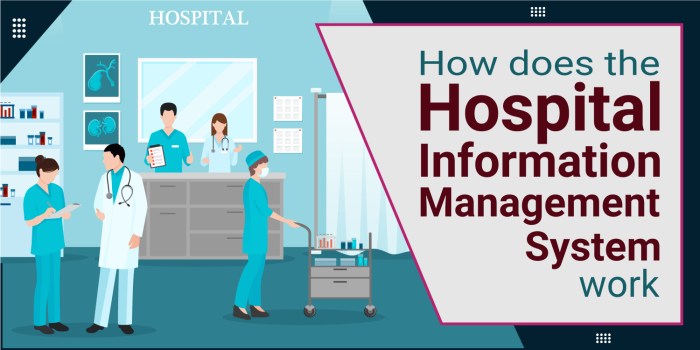
In the healthcare industry, computer information systems play a crucial role in managing various aspects of hospital operations. These systems are designed to streamline processes, improve decision-making, and enhance overall efficiency in delivering quality patient care.
Importance of Utilizing Information Systems in Hospital Management
- Efficient Data Management: Computer information systems allow hospitals to store, retrieve, and analyze vast amounts of patient data securely. This enables healthcare providers to make well-informed decisions quickly.
- Enhanced Communication: Information systems facilitate seamless communication among healthcare professionals, leading to better coordination of care and improved patient outcomes.
- Decision Support: Through data analytics and reporting features, these systems provide valuable insights that help hospital administrators make strategic decisions to optimize resources and improve operational efficiency.
- Patient Engagement: Information systems enable hospitals to engage with patients more effectively through online portals, appointment scheduling, and access to medical records, enhancing the overall patient experience.
How Computer Information Systems Enhance Operational Efficiency in Hospitals
- Streamlined Processes: By automating routine tasks such as appointment scheduling, billing, and inventory management, information systems help hospitals operate more efficiently and reduce human errors.
- Resource Optimization: These systems provide real-time data on patient flow, bed availability, and staff allocation, allowing hospitals to optimize resources and improve productivity.
- Quality Improvement: Through performance monitoring and benchmarking tools, information systems enable hospitals to track key performance indicators and implement quality improvement initiatives to enhance patient care.
- Regulatory Compliance: Information systems assist hospitals in adhering to regulatory requirements by maintaining accurate records, ensuring data security, and facilitating audits more effectively.
Types of Computer Information Systems Used in Hospital Management
In the realm of hospital management, various types of computer information systems play crucial roles in streamlining operations, enhancing patient care, and improving overall efficiency.
Electronic Health Records (EHR)
Electronic Health Records (EHR) are digital versions of patients’ paper charts. They contain medical history, diagnoses, medications, treatment plans, immunization dates, allergies, radiology images, and laboratory test results. EHRs allow for real-time, secure, and instant access to patient information, enabling healthcare providers to make better decisions and provide more coordinated care.
Hospital Information Systems (HIS)
Hospital Information Systems (HIS) are comprehensive, integrated systems designed to manage all aspects of a hospital’s operations, from administrative functions to clinical data management. HIS typically include modules for patient registration, appointment scheduling, billing, inventory management, and medical records. By centralizing data and automating processes, HIS help improve efficiency, reduce errors, and enhance patient safety.
Decision Support Systems (DSS)
Decision Support Systems (DSS) are computer-based tools and applications that assist healthcare managers and professionals in making informed decisions. DSS analyze data, generate reports, and provide insights to support strategic planning, resource allocation, and performance monitoring. By leveraging data analytics and predictive modeling, DSS help hospital management optimize operations, improve quality of care, and achieve better outcomes for patients.
Benefits of Implementing Computer Information Systems in Hospitals
Implementing computer information systems in hospitals comes with a myriad of advantages that significantly improve the overall efficiency and quality of patient care. These systems not only streamline processes but also enhance decision-making, resource allocation, and cost-effectiveness within healthcare facilities.
Improved Patient Care and Safety
Computer information systems play a crucial role in enhancing patient care and safety by providing healthcare professionals with instant access to patient records, treatment plans, and medication history. This quick access to information reduces medical errors, ensures timely interventions, and ultimately improves patient outcomes.
For example, Electronic Health Records (EHR) allow for a comprehensive view of a patient’s medical history, enabling healthcare providers to make well-informed decisions regarding their care.
Better Resource Allocation and Cost-Effectiveness
By integrating computer information systems, hospitals can optimize resource allocation, leading to enhanced efficiency and cost-effectiveness. These systems help in tracking inventory levels, managing staff schedules, and monitoring equipment maintenance, ensuring that resources are utilized effectively. For instance, Hospital Information Systems (HIS) can automate tasks such as billing and coding, reducing administrative costs and minimizing billing errors.
Challenges and Limitations in Implementing Computer Information Systems in Hospitals
Implementing computer information systems in hospitals comes with a set of challenges and limitations that need to be addressed to ensure successful integration and operation.
Data Security and Patient Privacy
Ensuring data security and patient privacy is crucial when implementing computer information systems in hospitals. The sensitive nature of health information requires strict measures to safeguard against unauthorized access or breaches. Hospitals must comply with regulations like HIPAA (Health Insurance Portability and Accountability Act) to protect patient data and maintain confidentiality.
Integration and Compatibility Issues
One of the common challenges faced during the implementation of information systems in healthcare settings is the integration and compatibility issues with existing systems. Hospital management may encounter difficulties in integrating new technologies with legacy systems, leading to operational disruptions and inefficiencies.
Staff Training and User Adoption
Another challenge is ensuring that hospital staff are adequately trained to use the new computer information systems effectively. Resistance to change and lack of training can hinder user adoption, impacting the overall success of the implementation. It is essential to provide comprehensive training programs and ongoing support to encourage staff to embrace the new technology.
Cost and Resource Constraints
The financial cost of implementing computer information systems in hospitals can be a significant barrier. Hospitals may face budget constraints that limit their ability to invest in advanced technologies. Additionally, allocating resources for maintenance, upgrades, and technical support can strain hospital finances, affecting the sustainability of the system in the long run.
Reliability and Downtime
Relying heavily on technology in hospital management poses the risk of system failures and downtime, which can impact patient care and operational efficiency. Hospitals need to have backup systems in place and robust contingency plans to minimize disruptions and ensure continuous access to critical information.
Regulatory Compliance and Legal Challenges
Meeting regulatory requirements and legal challenges related to the implementation of computer information systems in hospitals can be complex. Hospitals must navigate legal frameworks, privacy laws, and industry regulations to ensure compliance while managing potential legal risks associated with data breaches or system failures.
Future Trends and Innovations in Computer Information Systems for Hospital Management
The future of computer information systems in hospital management is marked by exciting advancements and innovations that promise to revolutionize healthcare operations.
Artificial Intelligence (AI) and Machine Learning
AI and Machine Learning are increasingly being integrated into hospital management systems to streamline processes, improve patient care, and enhance decision-making. These technologies can analyze vast amounts of data to identify patterns, predict outcomes, and provide valuable insights to healthcare professionals.
For example, AI-powered chatbots can assist patients with scheduling appointments, accessing medical information, and even monitoring symptoms remotely.
Internet of Things (IoT) and Big Data Analytics
The Internet of Things (IoT) refers to the network of interconnected devices that collect and exchange data. In hospitals, IoT devices such as wearable sensors, smart beds, and monitoring equipment can gather real-time information on patients’ health status and treatment progress.
This data, when combined with Big Data Analytics, enables healthcare providers to make informed decisions, optimize resource allocation, and improve patient outcomes. For instance, IoT devices can help reduce hospital readmission rates by monitoring patients’ recovery at home and alerting healthcare providers of any concerning changes.
Final Summary
In conclusion, the impact of computer information systems in hospital management cannot be overstated. From improving operational efficiency to optimizing resource allocation, these systems are at the forefront of transforming healthcare delivery. Embracing the future trends and innovations in information systems will undoubtedly shape the landscape of hospital management for years to come.
Helpful Answers
How do computer information systems benefit hospital management?
Computer information systems improve operational efficiency, enhance patient care, and contribute to better resource allocation in hospitals.
What are some common challenges in implementing information systems in hospitals?
Common challenges include data security concerns, patient privacy issues, and potential limitations of technology reliance in hospital management.
How do emerging technologies like Artificial Intelligence impact hospital management?
Emerging technologies like Artificial Intelligence revolutionize healthcare management by enabling data-driven decision-making and enhancing operational processes.

